
Best Paver Sealer 2020-2026
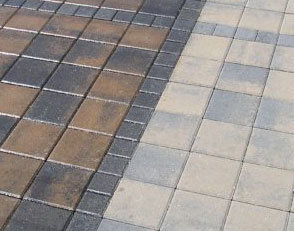
What is the best paver sealer to use?
Is it time to reseal your brick pavers? One of our most frequently asked questions is which paver sealer to choose.
Brick paver patios and landscaping blocks have become increasingly popular in the last 10-20 years. They offer an alternative to regular plain white concrete by adding old-world charm which resembles walkways and streets of the 19th century. Brick paver patios can be designed to suit many outdoor spaces. They are very popular for driveways, walkways, around pools, etc. Of course, with any exterior horizontal surface, there is a need for general maintenance with brick pavers by cleaning and sealing on a regular basis. Brick paver sealers are water repellents and coatings that are specifically designed to be used on paver stones and blocks.
Paver sealers have 3 main functions:
- Seal and protect the pavers from UV degradation and fading.
- Enhance the pavers by adding a wet-look shine.
- Stabilize the joint sand between individual pavers.
Solvent-Based Paver Sealers
Traditionally, these are the most popular and have been around for the longest time. These paver sealers are typically high in acrylic solids and will darken the surface. High-gloss finishes are available. Check the specific product documentation for application requirements and VOC compliance.
Crystal clear in liquid form. Common solvents include xylene, toluene, and other aromatic solvents.
Pros: Typically last about 3–5 years, depending on the product, surface, exposure, and maintenance. Darken the color more so than any water-based sealers out there. Add a higher level of gloss if desired. Typically only one coat is needed. A higher level of protection against UV degradation and fading. Better for vehicle traffic.
Cons: Needs to be rolled on and cannot be sprayed on so a little more work is required. Square footage coverage is less, typically about 100–125 square feet per gallon.
Water-Based Paver Sealers
Water-based versions of paver sealers still contain acrylics but will have a lower solid content.
Milky white in liquid form that dries clear.
Pros: Easily applied with a garden-type pump sprayer. Will penetrate better into the substrate and sand joints. Square footage is better than solvent-based sealers. Typically 150–200 square feet per gallon.
Cons: Multiple coats are needed. Will not darken as deeply or leave a high gloss like a solvent-based paver sealer. A lower level of protection from UV degradation and fading. Softer acrylics can be prone to tire marks on a hot day. May require more frequent reapplication, depending on the product and conditions.
Gloss Paver Sealers
Paver sealers are available in finishes ranging from matte to high gloss. In most scenarios, you will also darken the pavers with a wet look. The right finish depends on your pavers and the appearance you prefer.
Hopefully, you now have a better understanding of the different types of paver sealers that are available.